
Style Icons & Heritage
The Legacy of Coco Chanel
Gabrielle 'Coco' Chanel was a revolutionary designer who forever changed women's fashion. Discover her most iconic contributions, from pioneering trousers for women and the little black dress to the legendary Chanel No. 5 perfume.
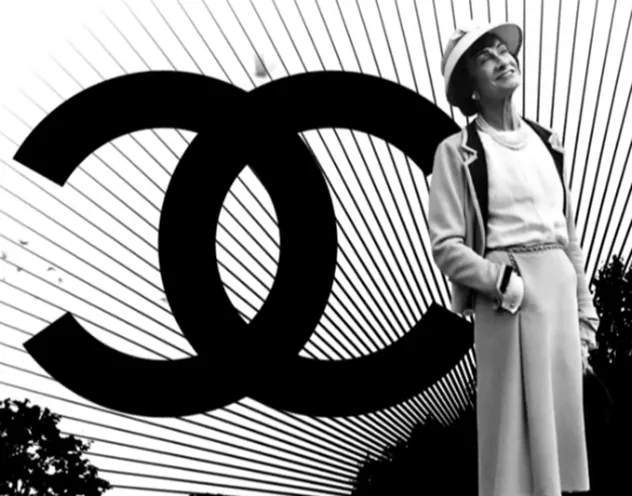
Gabrielle 'Coco' Chanel, born in 1883, is undoubtedly one of the most iconic and influential figures in fashion history. Throughout a life marked by early hardship, she emerged as an extraordinarily talented designer and a shrewd businesswoman with an unfaltering will. Her creations were not just clothing; they were revolutionary ideas that redefined our perception of beauty and style.
While many admire the timeless elegance Chanel bequeathed to the world, some of her innovations were so groundbreaking for their time that they deserve special attention. Here are five ways Chanel forever changed the world of fashion.
Pioneering Trousers for Women
Although the World Wars accelerated the adoption of trousers for women out of necessity, it was Coco Chanel who championed them as a chic and essential wardrobe element. Her initial foray was personal; she famously wore men's clothing to ride a horse more comfortably, frustrated by the restrictive corsets and multi-layered skirts of the era. She once remarked, "Fashion sometimes forgets that human beings live in these clothes."
Later, while vacationing at the Deauville beach resort, she wore trousers in place of a swimming suit. Her influential followers quickly copied her style, embracing trousers for daily wear. However, at 86, she expressed some regret about their ubiquity: "I did it because I wanted to provide comfort, but now I feel sad when I see 70% of women wearing trousers in formal places."
The Revolutionary Use of Jersey Fabric
Chanel was the first designer to dare use jersey—a material previously reserved for men's underwear—in high fashion for women. Until World War I, women's wardrobes were dominated by heavy silks and satins, structured by uncomfortable corsets. The war made these expensive fabrics inaccessible and impractical, as women took on new roles in society. Seeing an opportunity, Chanel created a collection of simple, elegant day dresses from jersey. The result was a triumph. The fabric's ease, elasticity, and comfort were a complete departure from the norm. By also eliminating the tightly cinched waist, she introduced a new level of functionality to women's clothing.
The First Designer Perfume: Chanel No. 5
One of Chanel's most enduring innovations was the concept of a designer-branded perfume, now a standard for every major fashion house. Launched in 1921, Chanel No. 5 was revolutionary. Instead of a single floral essence, it featured a complex bouquet of over 80 scents, including jasmine, sandalwood, and—for the first time—synthetic aldehydes, which gave it its sparkling character. When asked where a lady should apply it, Chanel famously replied, "Where she wants to be kissed." Her goal was to create a perfume that smelled like "a real woman." Marketed by celebrities like Marilyn Monroe, it became a global phenomenon.
Nearly a century after its launch, Chanel No. 5 remains one of the world's best-selling perfumes.
The Little Black Dress: A Uniform for Women of Taste
When Chanel introduced her "Little Black Dress" in 1926, American Vogue published a sketch and declared, "This dress will become the uniform of every woman with taste." Before Chanel, black was strictly the color of mourning in Europe. She saw its potential for elegance and style, finding excessive color variations unflattering. The original LBD was a simple, straight-cut model that fell to the middle of the calf. Today, this concept has been reinterpreted in countless ways, but it remains a staple of modern fashion, proving its timeless appeal.
The Iconic Chanel Suit
Borrowing from menswear, Chanel designed her iconic suit to offer women the same comfort and freedom of movement that men enjoyed. The classic Chanel suit consists of a collarless, boxy jacket trimmed with braid, fitted sleeves, and metallic buttons, paired with a slim skirt. It quickly became popular among career-oriented women, particularly in the United States, as it allowed them to look professional and chic without sacrificing their femininity. Celebrities like Audrey Hepburn and Grace Kelly helped popularize the suit, but it was immortalized when Jackie Kennedy wore a pink version on the day of her husband's assassination.
A true innovator, Chanel's influence extended even to beauty standards. At a time when pale skin was a sign of aristocracy, she returned to Paris from a vacation on the French Riviera with a suntan. Her friends and followers admired her sun-kissed complexion and began to emulate it, transforming the tan into a symbol of wealth, health, and beauty—a status it largely holds to this day.
Need to discuss a styling solution?
Get in touch