
Business / Professional
Color Myths: What Actually Works
Red signals dominance. Blue builds trust. How much of this has real scientific backing — and how much is marketing wrapped in the language of psychology?
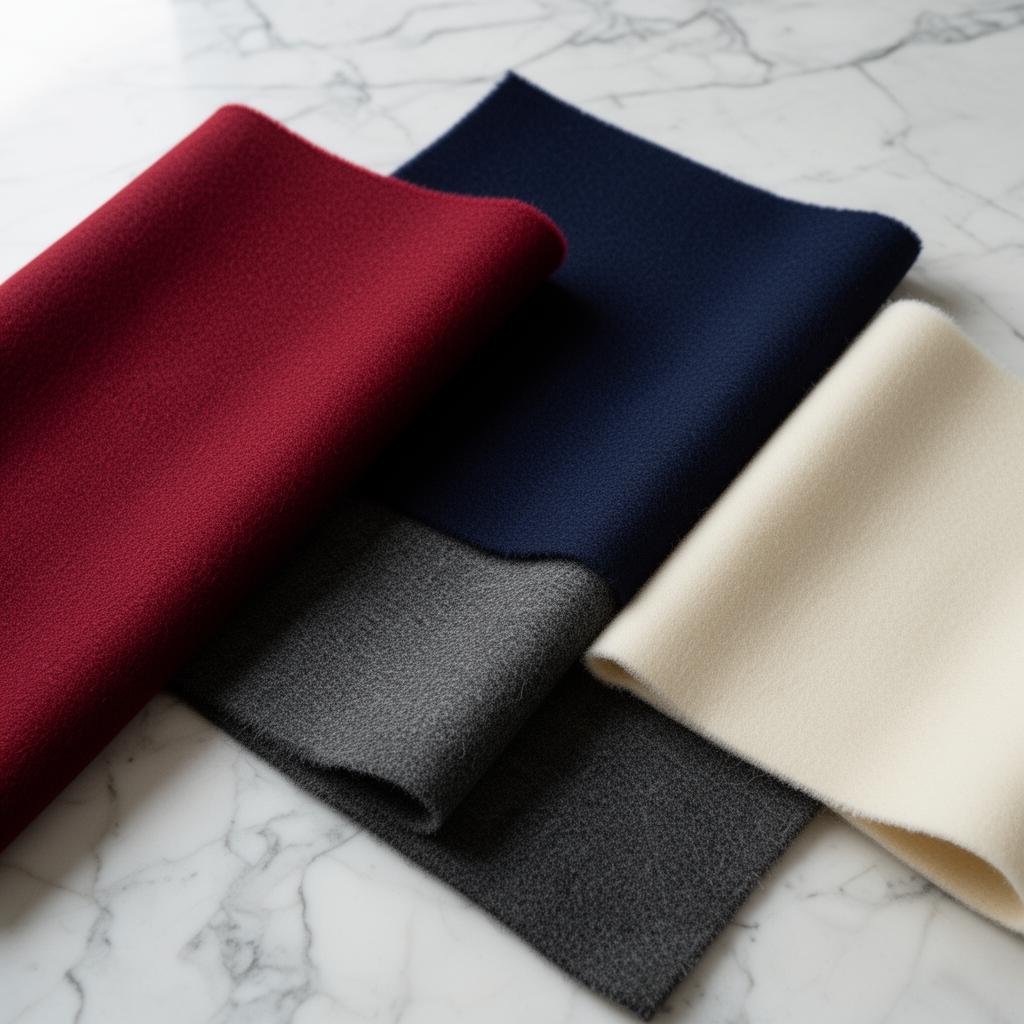
Few topics in styling mix myth and real data as much as color. Red increases dominance. Blue builds trust. Black projects authority.
These claims appear in dozens of books, articles and corporate workshops. But how many have serious scientific backing — and how many are simply marketing dressed up as psychology?
We have to be precise here. Because the clients who come to me — managers, lawyers, diplomats, negotiators — gain nothing from nice-sounding rules. They gain from precision.
The red case: what Hill & Barton actually said
One of the most cited color studies is the 2005 Nature paper by Russell Hill and Robert Barton of Durham University. They analyzed four combat sports at the 2004 Athens Olympics — boxing, taekwondo, Greco-Roman and freestyle wrestling. In these sports, athletes are randomly assigned red or blue gear.
The finding: athletes in red won 55% of matches versus 45% in blue. In close matches the gap widened to 62% vs 38%. Statistically significant.
This was repeated dozens of times in the popular press as proof that "red wins." But the real story is more complicated.
What you are not told about red
In December 2024, Scientific Reports published a meta-analysis covering 6,589 matches across seven Olympics (1996–2020) and nine boxing World Championships (2005–2021). The result? Overall win rate for red was 50.5% — statistically indistinguishable from chance. In close matches — 51.5%. Also not significant.
The original effect disappears in the newer data.
There are several explanations. The first, from Candy Rowe and colleagues (2005) — the effect may relate to visibility rather than color psychology. Later, Norbert Hagemann (2008) showed video referees in taekwondo that the same performance scored higher when the athlete wore red — meaning the effect may live in the evaluator's eye, not the athlete's.
The honest takeaway: red probably has some effect on perceived dominance, but it is small, context-dependent and far weaker than popular literature claims.
What this means for your work
If you are about to wear red to an important negotiation because someone told you "red signals power," pause. The real data show that:
First, the color effect is smaller than the context effect. A red blazer in a law office signals "trying to dominate" — which can turn the very negotiators you want to impress against you.
Second, the effect depends on what is standard in the room. Red in an environment of grey and navy attracts attention — whether that attention is positive depends on hundreds of other things.
Third, color effects often differ sharply between men and women. Red on women carries entirely different associations (Elliot and Niesta, 2008, "red dress effect") — connected to attraction, not dominance. A red suit on a female lawyer communicates something very different from a red tie on a man.
Blue and trust: legend versus data
Another popular myth: blue creates trust. This claim appears in nearly every sales book and countless marketing guides.
Reality is more nuanced. There is research showing associations between blue tones and calm, stability, reliability — but most of it comes from marketing contexts (logo colors, packaging, websites), not human attire. Transferring conclusions from one to the other is scientifically problematic.
Beyond that, blue's effect on trust depends heavily on shade. Navy, marine, cobalt, light blue — each carries different associations. "Wear blue for trust" is about as precise as "drink liquid for health."
What we really know about color in professional contexts
Strip away the myths and a few sturdier conclusions remain:
Contrast matters more than the specific color. Stronger contrasts between skin, hair and clothing draw attention to the face — important, because the face is the primary source of social information in the first seconds.
Saturation signals energy. More saturated colors are perceived as more energetic personality signals. More muted tones — as more serious and mature. This is not culture-specific — studies show the effect across cultures.
Color works inside the whole outfit. Isolated color does not exist. A red blazer over black trousers signals one thing. A red blazer over beige chinos — quite another. Color studies that isolate one variable are scientifically clean but practically limited.
The honest conclusion
Colors in clothing matter — but the meaning is smaller and more contextual than popular literature suggests. Red does not "increase your odds." Blue does not "make you trustworthy." Black does not "make you authoritative."
What makes the difference is whether your whole visual package — color, silhouette, fabric, accessories — matches the environment, the role and the message you are trying to convey.
That is why good styling is not "pick the winning color." It is "read the room and choose what serves it." That takes professional judgment — not a color wheel.
If someone is selling you a visual strategy based on "wear red for power," they have not read the evidence. They read the popular version of the evidence from twenty years ago.
Need to discuss a styling solution?
Get in touch