
Style Icons & Heritage
Facts About Christian Dior
Discover the lesser-known facts about Christian Dior, from his architectural aspirations and groundbreaking fashion innovations to his personal struggles and the short but impactful career that forever changed the industry.
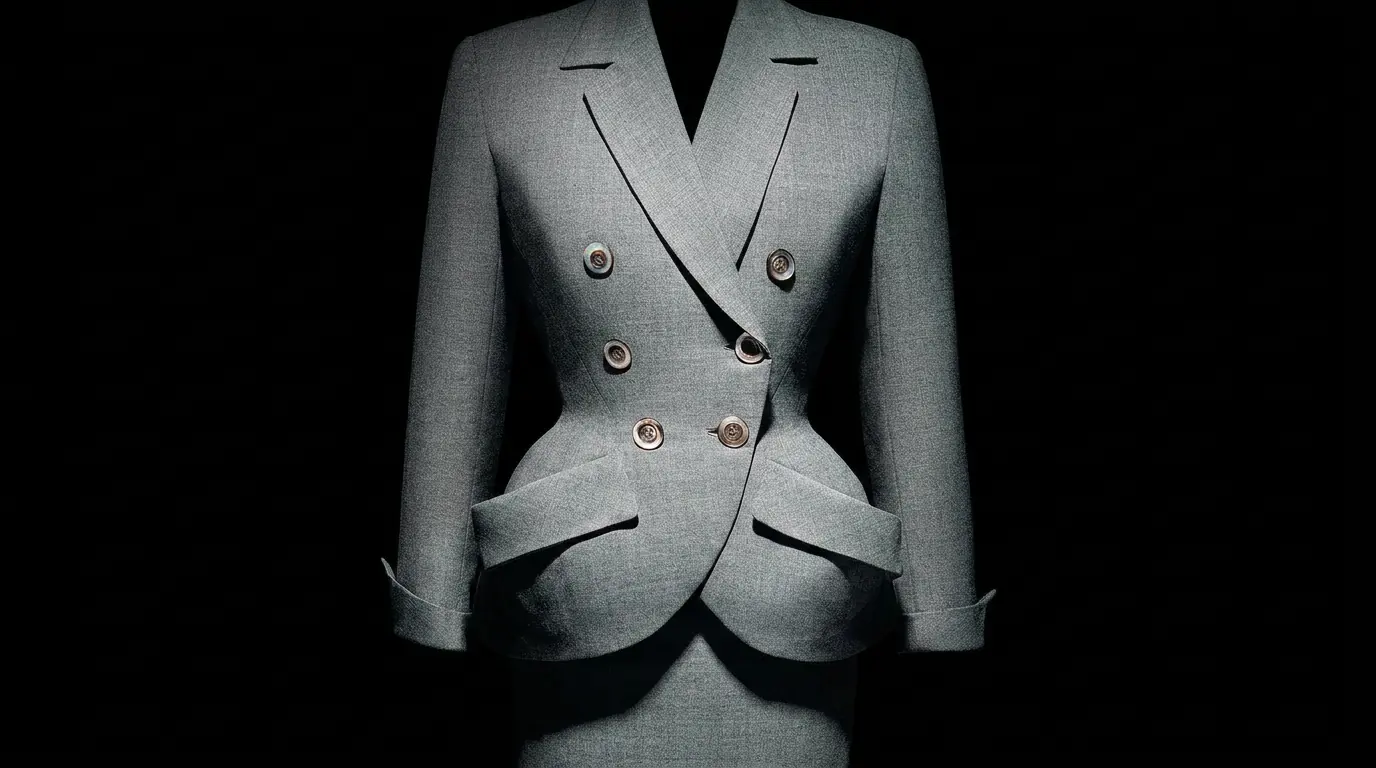
The story of one of the 20th century's most remarkable designers is full of unexpected twists. His life was marked by contradictory events, from wealth to poverty and from peacetime to war. But what remains unknown about this fashion genius? Here are some lesser-known facts about Christian Dior.
He Wanted to Become an Architect
From a very early age, Christian Dior dreamed of becoming an architect. Growing up in a large house in Northern France, he would often study the building and imagine how he could improve its facade, which he considered imperfect.
His parents, however, pushed him towards a career in diplomacy, and he subsequently studied political science in Paris. Although he graduated, Dior never pursued a career in politics.
His passion for architecture never faded. When he began designing his own collections, he famously stated that he viewed each design as an architectural creation, carefully constructing its silhouette and details as if it were the facade of a building.
A True Innovator of His Time
Dior was the first designer to license his designs. His goal was to offer the complete "New Look"—from dresses and gloves to hats and perfumes—without compromising on quality. Each item was manufactured under his brand in different parts of the world to ensure the highest standards. Initially met with resistance from the French fashion chamber, this business model was soon adopted by all major fashion houses, proving to be a lucrative move for the Dior brand.
He was also a pioneer in making high fashion more accessible through what we now call ready-to-wear (or prêt-à-porter) collections. In an era when most clothing was custom-made, Dior's idea of offering collections in various sizes was revolutionary.
The tradition of seasonal collections also originates with Dior. He initially created four collections a year, a practice that later evolved into the biannual Spring/Summer and Fall/Winter schedule we know today.
His Struggle with Emotional Eating
A little-known fact is that Christian Dior struggled with what is now termed "emotional eating." An intensely private and modest person, he avoided public appearances, often sending employees to interviews and skipping the final bow at his own runway shows. He rarely shared his deepest feelings, and food became a source of comfort during moments of emotional distress. A skilled cook, he never deprived himself of his favorite dishes. It is believed that his reliance on food for comfort was often linked to unrequited love; though his personal life was kept private, it's known that he frequently faced rejection from those he admired.
A Great Artist, Not a Tailor
Dior was a brilliant sketch artist, a talent that supported him before he joined the Robert Piguet fashion house at age 33. When he launched his own brand, however, he found the technical side of garment construction uninteresting. While he understood the processes, he never mastered the craft itself. The same applied to sales and company management. Dior wisely surrounded himself with a loyal team who handled the business operations, leaving him free to create. His focus was on the artistic vision: defining the silhouette, selecting fabrics, and setting the overall direction for the brand. This delegation may have been the secret to his creative success.
An Independent Career of Only 12 Years
Christian Dior began his independent career after turning 40. His debut collection was an immediate and immense success, heralding a return to the opulence and femininity of the pre-war era, a time he associated with his carefree childhood. He championed spectacular, voluminous silhouettes and luxurious fabrics throughout his career. In just 12 years, Dior built an international empire that forever changed the course of fashion, setting new standards that are still followed today. After his death, the House of Dior continued under the direction of some of the industry's most talented designers, including Yves Saint Laurent, Marc Bohan, Gianfranco Ferré, John Galliano, and, since 2016, Maria Grazia Chiuri.
Need to discuss a styling solution?
Get in touch