
Shopping
How to Recognize Quality Clothing
A practical guide to identifying high-quality garments while shopping. Learn the key indicators of quality, from fit and construction to fabric and finishing details.
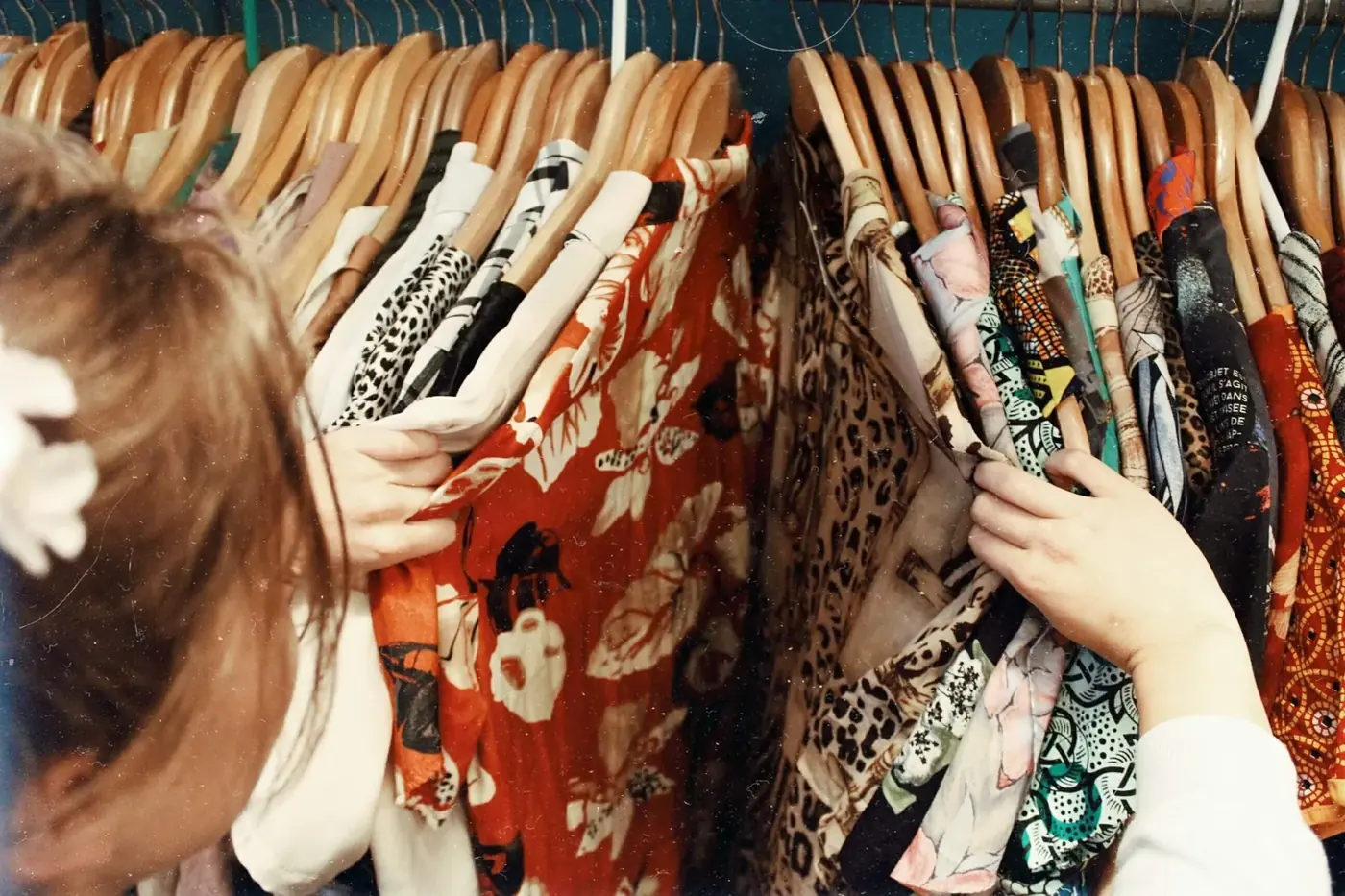
Choosing a quality garment is one of the most important considerations when shopping. After all, how we invest our money matters.
The reality is that anyone can recognize a garment's quality after wearing it for some time. By then, however, it's too late to return it to the store.
Here are several expert tips to help you assess clothing quality, even if you don't have extensive experience.
Good Cut and Fit
High-quality clothes fit exceptionally well. This is because companies dedicated to quality invest significantly in developing and refining cuts and patterns. For these brands, the design process is slower and more deliberate than in fast fashion, involving more time for sample creation and selecting the ideal fabric for the design.
The easiest first step is to try the garment on and examine its fit. If every element conforms perfectly to your body, it’s a strong first impression of the brand's commitment to quality, even if the name is unfamiliar.
However, keep in mind that some brands design for a specific body type. A garment might be of high quality but created for a different silhouette—for example, longer arms or wider hips—and therefore may not be the right fit for you.
Twisting Side Seams
Have you ever owned a T-shirt, a pair of jeans, or a skirt where the side seams gradually twist towards the front or back? This is not a design feature; in 95% of cases, it's a defect.
To save fabric during mass production, some manufacturers cut pattern pieces without respecting the fabric's grainline (the direction of the threads). When a garment is cut 'off-grain,' the fabric's natural tension causes it to twist and distort, a problem that becomes more pronounced after a few washes.
Investigate the Garment's Construction
Turn the garment inside out to inspect its inner workmanship. If you see many loose, uncut threads or threads of different colors, it’s a clear sign the manufacturer cut corners on finishing.
Pay attention to the hem allowance. A deeper hem (more fabric folded up) adds weight to the edge, helping the garment hang better and creating a cleaner line. It's a subtle but important detail.
If the fabric has a pattern like checks or stripes, check if the lines match up at the seams. Precise pattern matching requires more fabric and skill, making it an obvious indicator of careful construction. If the patterns are misaligned, the garment was likely made with less attention to detail.
Where the Garment is Produced
The 'Made in…' label provides information beyond care instructions. While production in countries like Bangladesh, India, or China doesn't automatically mean poor quality, the origin can sometimes raise questions about manufacturing standards and labor practices.
A growing movement toward transparency, exemplified by social media initiatives like #whomademyclothes, encourages consumers to learn more about the people and processes behind their clothing, linking quality to ethical production.
The Fabric
A valuable in-store test for knit fabrics is to gently stretch a small section. See how it recovers. If the fabric doesn't snap back to its original shape or becomes transparent when stretched, it is likely of low quality.
Contrary to popular belief, the 'wrinkle test'—squeezing fabric in your fist—can be misleading. High-quality natural fibers like linen and cotton wrinkle easily, so this test is not a reliable indicator of quality.
Lining
Look inside jackets, skirts, and trousers to examine the lining. If the lining is 100% polyester, the garment is likely not of the highest quality. Good linings are made from breathable materials like viscose, cupro, or cotton, which feel comfortable against the skin. A natural lining is especially important when the outer shell is a natural fiber like wool, as a polyester lining would negate the wool's breathability.
The construction of the lining also matters. In high-end garments, you'll often find a satin or decorative trim where the lining meets the main facings, a sign of superior finishing.
The Price
A higher price isn't an absolute guarantee of quality, but it often accounts for factors you cannot see in the store. For instance, premature color fading after the first wash is often due to cheap dyes used to keep costs down. Investing in the highest quality you can afford within your budget is a wise strategy. It not only ensures longevity but can also protect you from skin irritations or health issues caused by low-grade chemicals and dyes.
Need to discuss a styling solution?
Get in touch