Style Icons & Heritage
A Guide to Cotton: Understanding Conventional, GM, and Organic
This guide explores the three main types of cotton used in fashion: conventional, genetically modified, and organic. Learn about their differences, production methods, and impact on the environment and your wardrobe.
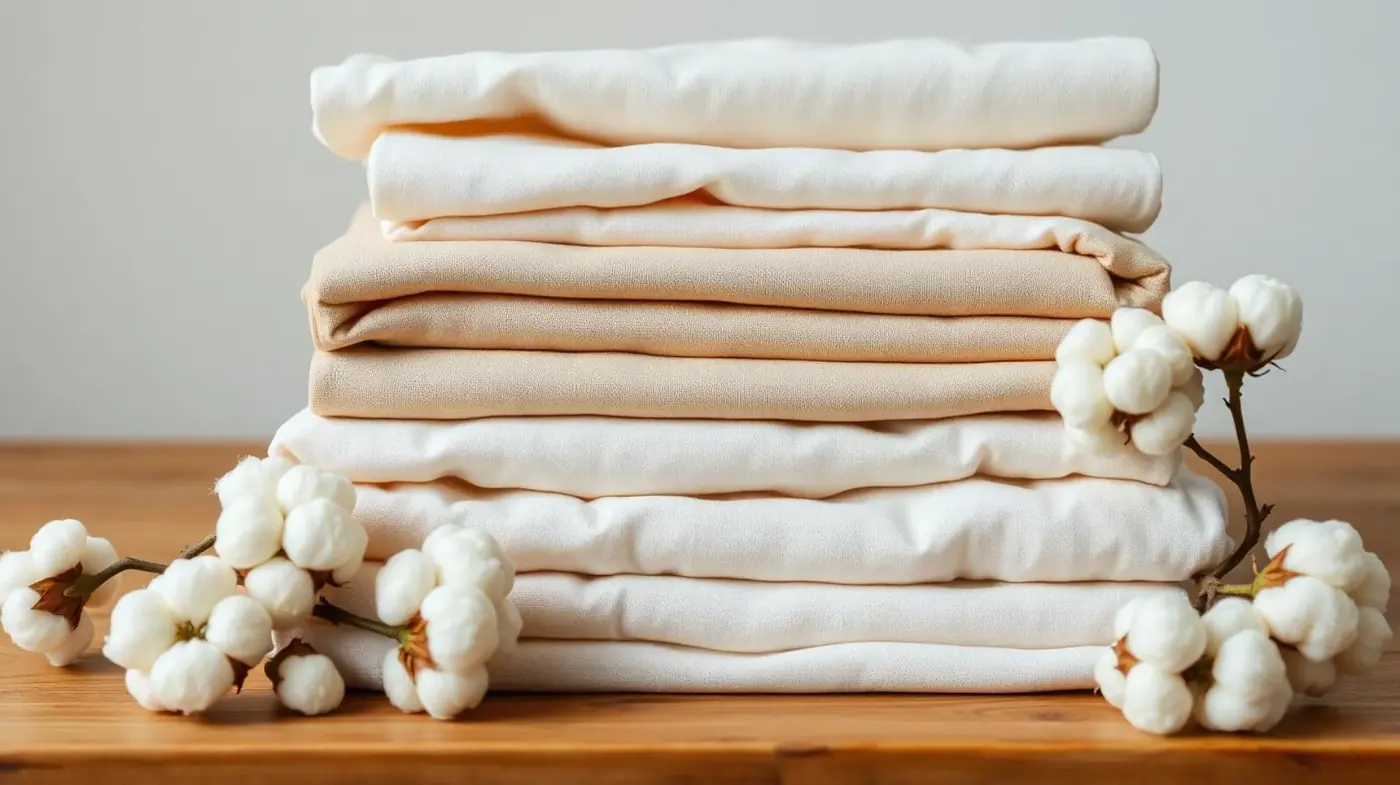
Cotton is one of the most popular fabrics in the world today. Its popularity stems from the exceptional comfort it provides, regardless of the temperature, while also allowing the skin to breathe and absorbing excess moisture. These qualities make it a frequent choice for our clothing.
Interesting Facts About Cotton
Before diving into the different types, here are some lesser-known facts about this versatile plant:
- Cotton plants produce blooms in two different colors before the familiar fluffy fibers appear.
- In its natural state, cotton can grow not only in white but also in shades of green and brown, potentially eliminating the need for dyes in production.
- Virtually every part of the cotton plant can be utilized, finding applications in the textile, pharmaceutical, and food industries. For instance, cottonseed extract is a component in many soaps and even some food products.
- Globally, around 25 billion tonnes of cotton are produced annually across 130 countries.
- Cotton is one of the world's oldest agricultural crops, with a history of cultivation dating back to ancient times.
The Three Main Types of Cotton
Understanding the distinctions between how cotton is grown is crucial for making informed choices. Cotton is primarily categorized into three types based on its cultivation methods.
Conventional Cotton
This is the most common type of cotton produced worldwide. It is grown using synthetic agricultural chemicals, including pesticides, herbicides, and fertilizers, which are sprayed to protect the crop from weeds and pests.
Globally, cotton farming accounts for over 10% of total pesticide use and nearly 23% of insecticide sales in agriculture.
During fabric production, conventional cotton is often treated with chlorine-based bleach, and dyeing processes may involve heavy metals. This method of cultivation also has a significant environmental impact, particularly concerning water. Producing a single conventional cotton T-shirt can require up to 2,500 liters of water, and the chemical runoff pollutes rivers, lakes, and groundwater.
Furthermore, since parts of the cotton plant, like cottonseed oil, are used in the food industry, there is a risk of these pesticides entering the human food chain.
The use of harsh chemicals also weakens the cotton fibers, causing products made from conventional cotton to wear out more quickly. It is a common experience for these garments to look faded and worn after only a few washes.
How to Identify It: Unfortunately, labels do not specify "conventional cotton." However, you can assess the quality of the fabric. A tight, dense weave might indicate treatment with less aggressive chemicals. If the fabric fails to spring back to its original shape after being stretched, it's often a sign of lower quality fiber, and it might be best to avoid that garment. While not a foolproof method, if no other information is provided, it's safe to assume the cotton is conventional.
Genetically Modified (GM) Cotton
Genetically modified cotton comes from plants whose seed structure has been altered in a lab. These seeds cannot be reproduced naturally. There are two main types of GM cotton: one is engineered to be resistant to certain insects, and the other is modified to tolerate specific herbicides. Its popularity among manufacturers is due to advantages like increased yields, reduced cultivation costs, and earlier maturation.
However, GM cotton also presents significant disadvantages and risks. Although cotton is a water-intensive crop, GM varieties often require even more water. Additionally, pests and weeds can develop resistance to the engineered traits over time. This necessitates the use of secondary, often stronger, chemicals to maintain high yields.
A major concern is the lack of long-term studies on the effects of GM cotton on the environment and human health. The potential for chemicals, heavy metals, and modified genes to accumulate in the body through contact with GM cotton products could pose health risks, possibly contributing to new diseases.
Much like with GM foods, the full health and environmental impact of this agricultural practice may not be fully understood for another 20 to 50 years, making it a potentially costly experiment for future generations.
Organic Cotton
Organic cotton is cultivated using environmentally friendly methods and materials that adhere to strict regulations. The process is designed to have a low impact on the environment.
Key characteristics of organic cotton include:
- Healthier Fibers: The natural fibers are stronger because they haven't been damaged by harsh chemical treatments.
- No Synthetic Chemicals: It is grown without the use of synthetic fertilizers or pesticides.
- Environmental Protection: Organic farming practices do not harm the soil, air, or water and are safer for wildlife and human health.
- Farmer Safety: The processing of organic cotton is safe for farmers and their families.
- Non-GMO: Organic certification standards prohibit the use of genetically modified (GMO) seeds.
- Water Conservation: The production of organic cotton clothing uses significantly less water and does not pollute waterways.
- Higher Cost: Organic cotton is typically more expensive due to the longer, more labor-intensive, and skill-based farming and production processes.
How to Identify It: The most reliable way to confirm a garment is made from organic cotton is to look for a GOTS (Global Organic Textile Standard) certification on the label. Because the term "organic" can be misused by brands ("greenwashing"), the GOTS label provides a trusted guarantee that all stages of production are natural and ethical. You can verify a brand's certification by searching its name on the official GOTS public database: https://global-standard.org/public-database/search.html
Sources: Organic Trade Association, Global Organic Textile Standard (GOTS).
Need to discuss a styling solution?
Get in touch